

As the weather gets warmer and the days grow longer, we often think about improving our health and getting into better shape. As you prepare to enjoy the outdoors this summer, don’t forget a plan for keeping your eyes happy as well.
Here are five ways to keep your eyes safe and healthy this summer:
1. Avoid “sunburn of the eye.”
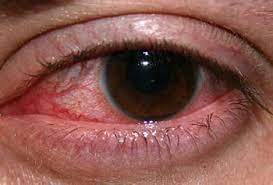
When sunlight shines off water, sand or other highly reflective surfaces into your eyes, it can cause a very painful condition called photokeratitis. This is when the sun’s ultraviolet (UV) rays burn the surface of your eye. Photokeratitis is having sunburned eyes. It is a painful condition that can happen when your eyes are exposed to ultraviolet rays (UV). UV rays are invisible rays of energy from the sun or even from man-made sources. There are many symptoms of photokeratitis:
Pain, photophobia (sensitivity to light), redness, blurry vision, extreme tearing, twitching eyelids, foreign body sensation or gritty feeling eyes, swelling of the conjunctiva and skin around the eyes, and it can cause headaches, temporary changes in colour vision, and temporary loss or distortion of vision.
Sunglasses that are large enough to give a good area of coverage and wrap around the patient’s face provide the best protection. Large brimmed hats and caps are helpful as well. In some instances, sunglasses and hats may not be practical, such as during swimming and sporting activities. Sunscreen may be necessary, but you will need to be careful in the application, not to gte it in your eyes.
The eyelids and periorbital areas are at elevated risk of basal cell carcinoma due to excessive sun exposure. The easiest, but toughest way to prevent photokeratitis is to limit the amount of time that a person spends in direct sunlight. Be aware of your limitations, and do not hesitate to find a sheltered area in which to enjoy yourself.
UVA and UVB rays in sunlight can harm your eyes and may increase the risk of cataracts and AMD. Wearing sunglasses, glasses or contact lenses with built in UV filter will protect your eyes. Only buy sunglasses that have a CE mark or carry British Standard BS EN ISO 12312-1.
A full range of eyeshields and sunglasses are available to buy in the eyeshields and sunglasses section of the RNIB shop.
2. Stay Safe in the pool.
Pools can be tough on the eyes. Chemicals used to keep the water clean, such as chlorine, can affect the natural tear film that keeps our eyes moist and healthy. The result? Red, gritty-feeling eyes and blurry vision. Keep eyes feeling and looking good by wearing swim goggles in the pool, and splash your closed eyes with fresh water immediately after getting out of the pool.
Swimming is the perfect activity to exercise your muscles without putting too much strain on your joints. It is a great way to get a cardiovascular workout and also reduce stress. Though it is a fun and healthy activity to stay physically fit, it is not entirely risk-free.
It could cause skin allergies since pools use chlorine to disinfect the water. When you are exposed to chlorine in high amounts for long periods, it can irritate your eyes.
Some common eye problems caused by swimming in chlorinated water include:
- Conjunctivitis — also known as pink eye
- Blurred vision
- Dry eyes
- Red eyes
- Bacterial eye infection
Wear Watertight Goggles
This is the most effective way to keep your eyes safe from chlorine and any other bacteria. It is the perfect ‘prevention is better than cure’ method. But in case you don’t have goggles, there are also other preventive methods you can follow.
Community pools and guesthouses are required to post about their inspection reports. Talk to the people in charge and make sure that the pH levels of the pool are around 7 – 8. The ideal level would be 7.4. Do not make exceptions even if it’s a family pool.
Remove Your Contact Lenses While You’re in the Water
The gap between the lens and your eye is a perfect breeding ground for microbes and other bacteria!

3. Keep dry eye under control
Spending time outside when it is hot, dry or windy can irritate a common condition called dry eye. A hot, dry environment affects the tear film, drying out the eye’s surface. To protect your eyes in these conditions, wear wrap-around glasses to keep wind from your eye’s surface. Also, use artificial tears (preferably those that are preservative-free) to keep eyes moist and refreshed.
Reasons for dry eyes in summer can include an increase in exposure to sunlight, an increase in pollen, or dehydration. According to the National Eye Institute (NEI) , dry eye is common. Dry eyes can cause a burning sensation in a person’s eyes. During the summer months, people tend to spend more time outside, thus they are more exposed to the sun’s harmful rays. If one does not use proper eye protection from the sun, dry eyes can develop as the tear film on the eye can evaporate more quickly.
The first thing you want to look for in a sunglass is that it has the best UVA and UVB protection you can find. The glasses need to be labelled with a sticker that says at least 98% UV blocking. The higher the blocking the better. If you can find it, 100% UVA and UVB protection are best. UV protection can be added to most prescription lenses. The protection is colourless, so it can be added a clear pair of glasses as well.
As you know, UV light is damaging to our bodies. Not only do the UV rays cause sunburns, but they also cause cataracts and macular degeneration. Protecting your eyes throughout your life from harmful UV rays will reduce problems later in life.
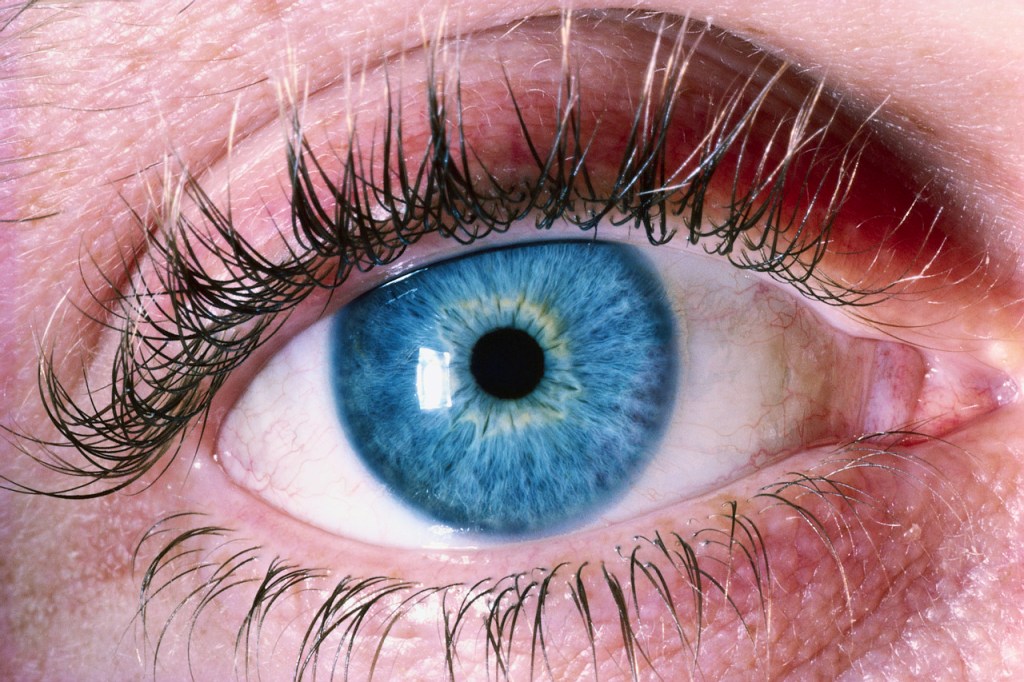
Polarized lenses cut glare from water, snow, and glasses. The lenses make objects more distinct and reduce harsh reflections. In the summer, polarized lenses are great for water-related activities. In the lake or ocean, you will be better able to distinguish objects below the water. In the swimming pool, the glare coming from the surface won’t seem so harsh. In the car, polarized lenses decrease the glare from the road and other car windows. The lenses can make driving more enjoyable.
4. Don’t take risks with eye safety.
Spending more time outside often means more outdoor work and play. Whether mowing the lawn, trimming weeds or playing baseball, always wear the proper protective eyewear.
More than half of all eye injuries occur at home, yet only about one out of every three people wears eye protection when they should. Don’t be an eye injury statistic!

5. Stop smoking.
When thinking about getting healthy this summer, think about quitting smoking. Cigarette smoke, including second-hand smoke, not only worsens dry eye, but is a risk factor for many eye diseases, including cataracts, macular degeneration and more. Quitting smoking reduces your risk of getting eye disease and other major health problems.
Cigarette smoke contains toxic chemicals that can irritate and harm the eyes. For example, heavy metals, such as lead and copper, can collect in the lens – the transparent bit that sits behind the pupil and brings rays of light into focus – and lead to cataracts, where the lens becomes cloudy.
Smoking can make diabetes-related sight problems worse by damaging blood vessels at the back of the eye (the retina).
Smokers are around three times more likely to get age-related macular degeneration – a condition affecting a person’s central vision, meaning that they lose their ability to see fine details.
And they are 16 times more likely than non-smokers to develop sudden loss of vision caused by optic neuropathy, where the blood supply to the eye becomes blocked.

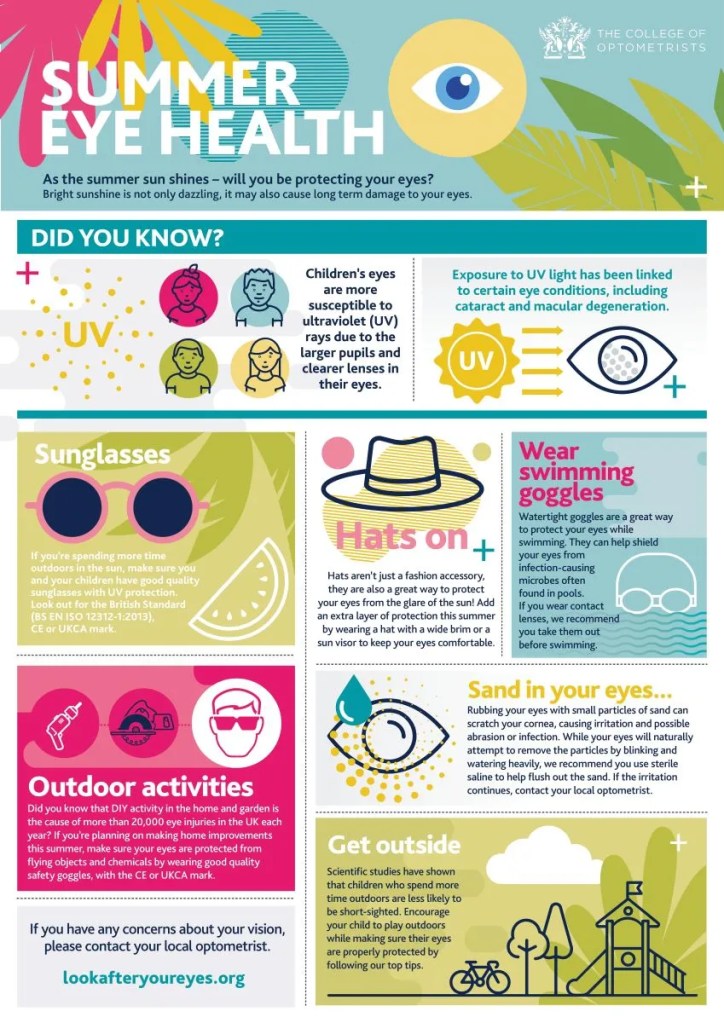
Check out this graphic from Summer eye health – Look After Your Eyes
 KCGB TOP POSTS
Leave a comment