
Keratoconus is an eye condition where the cornea, the clear front surface of the eye, thins and bulges into a cone-like shape, causing distorted vision. This article explores whether glasses can effectively be worn with keratoconus and offers insights into the available treatment options.
What Is Keratoconus?
Keratoconus affects the cornea, leading to vision problems:
- The cornea becomes thin and gradually bulges outward into a cone shape, like a rugby ball
- This abnormal shape distorts vision, causing issues like blurred vision, light sensitivity, and glare, ghosting and double vision
- It usually starts in adolescence and may progress over time, and can be seen to worsen with hormonal changes for instance in teenage boys and pregnant women.
- Around 10% of cases are thought to be genetic or hereditary
Can Glasses Correct Keratoconus?

While glasses are commonly used to correct vision issues, they do not TREAT keratoconus.
Here’s why:
- Early Stages: In the early stages of keratoconus, glasses can correct mild vision problems. They may help improve vision by compensating for some irregularities in the cornea.
- Advanced Stages: As keratoconus progresses, glasses become less effective. The cornea’s irregular shape cannot be adequately corrected with standard lenses, leading to persistent visual distortions.
- In older age- glasses are often worn over the top of contact lenses to sharpen up vision, when age related vision changes can occir
Alternatives to Glasses for Keratoconus
When glasses aren’t sufficient, other treatments can help manage keratoconus effectively:

1. Contact Lenses
- Rigid Gas Permeable (RGP) Lenses: These hard lenses provide a smooth surface over the irregular cornea, improving vision.
- Hybrid Lenses: Combine a rigid center with a soft outer ring for comfort and better vision correction.
- Scleral Lenses: Large lenses that vault over the cornea, resting on the sclera (the white part of the eye), offering improved vision and comfort.
- Soft lenses for keratoconus, can be worn in mild cases or post graft / cxl
Learn more here
2. Corneal Cross-Linking
- Strengthening the Cornea: This minimally invasive procedure strengthens corneal tissue to halt progression.
- UV Light and Riboflavin: The treatment uses ultraviolet light and riboflavin (vitamin B2) drops to strengthen the cornea’s collagen fibres
- Widely available now globally as epi off and epi on
- Can be done more than once if required
Learn more here
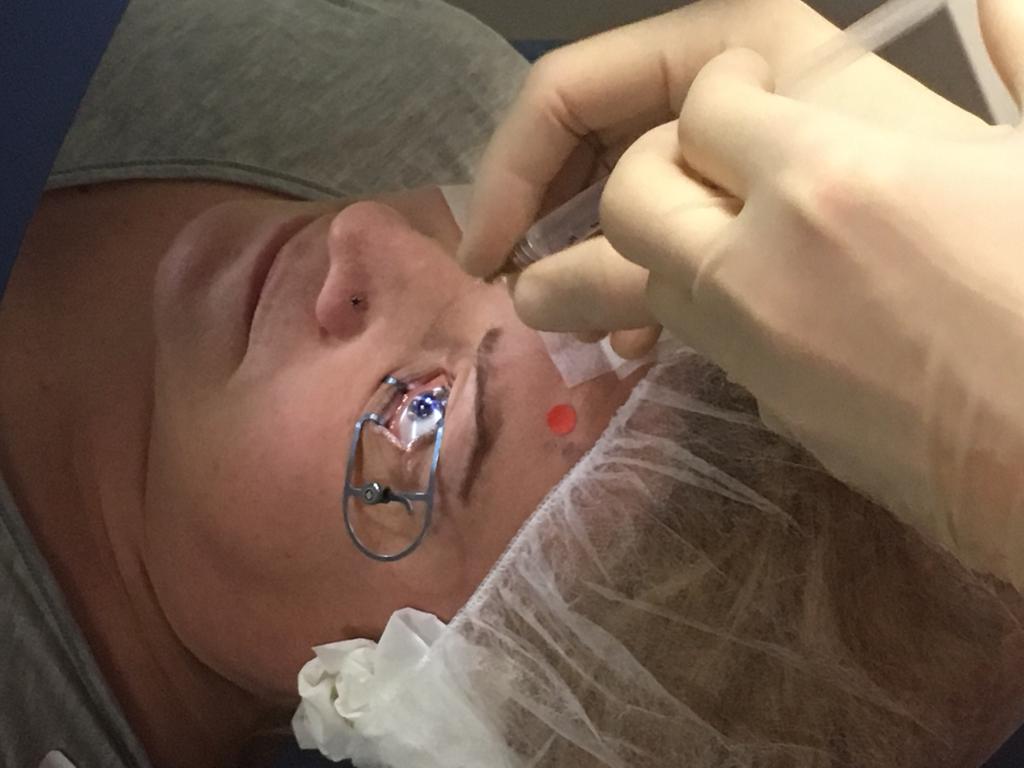
3. Intacs
- Corneal Inserts: Small plastic inserts are placed in the cornea to flatten its shape, improving vision.
- Minimally Invasive: This is a quick and relatively simple procedure that can delay the need for corneal transplant.
- Not widely used now as many patients have found it ineffective, however Intacs can easily be removed if needed
4. Corneal Transplant
- Severe Cases: In advanced stages, when other treatments aren’t effective including wearing contact lenses, a corneal transplant may be necessary.
- The damaged cornea is replaced with a healthy donor cornea, which means vision may be improved or contact lenses or glasses can be worn
Learn more here

Points to Consider When Choosing Treatment
When deciding on the best treatment for keratoconus, consider the following
- Consultation with an Eye Specialist such as an Optometrist or Opthamologist
- In the UK kc treatment is free on the NHS and contact lenses are heavily subsidised- you can search for a specialist, be referred by your GP, or from a High Street optician.
- Always discuss with an eye care professional to determine the most suitable treatment plan.
- Take notes and ask questions
- A second opinion can also be sought if required
- Fitting contact lenses can be a lengthy process and requires time and patience
- No eye with keratoconus is the same as another, and a different contact lens can be worn in each eye- there are no rules
Make sure to join the Keratoconus Community on Facebook, Instagram and Threads- just search ‘keratoconusGB’

Leave a comment